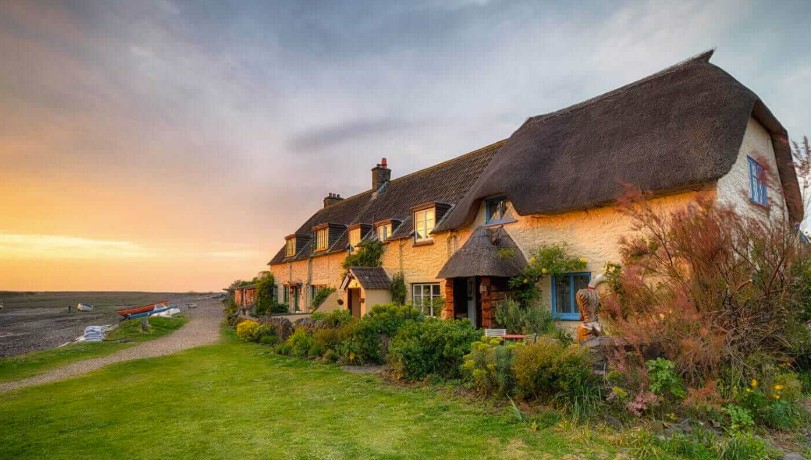
Stone cottages with pantile roofs lining a village street in the North York Moors

Where to Stay

Where to Stay in the North York Moors

Choosing where to base yourself shapes the whole trip. The North York Moors packs market towns, moorland villages and a dramatic coast into a compact national park, so the right base depends on what you are here for: walking, the railway, the coast, families, or a classic-car touring weekend.

Here is an honest guide to the areas and the types of place to stay. We don't list individual businesses we haven't stayed in. Instead we explain what each part of the park is like to wake up in, then point you at the established channels where you can check current availability, prices and dog policies for yourself.

Still torn between villages? Compare the ten best base villages on drive times, pubs, parking and rail links.

Choosing your base: area by area

Pickering

The practical hub on the southern edge: the terminus of the North Yorkshire Moors Railway, good shops and pubs, and central for touring the whole park. A sensible first choice if you want everything within reach.

Thornton-le-Dale & Allerston

Postcard Ryedale villages on the southern moors, quiet, pretty and handy for Dalby Forest and the A170. Allerston sits just off the main road, while Thornton-le-Dale has the village green and the beck crossed by stone bridges.

Helmsley

The moors' smartest market town: a castle, walled garden, good restaurants and a boutique feel, at the western gateway with the Cleveland Way and Rievaulx Abbey nearby. The choice for a refined weekend.

Whitby & the coast

The dramatic end: the abbey, the harbour, fish and chips, and the smuggler-coast villages of Robin Hood's Bay, Staithes and Runswick Bay. Base here for the sea and the Esk Valley. See our guide to the coast.

The Dalby Forest side

Best for families and cyclists: forest trails, Go Ape, the observatory and dark skies. Easy walking and cycling right from the door.

The high central moors

Rosedale, Farndale (the daffodils), Hutton-le-Hole and Goathland, of Heartbeat fame, with the station used as “Hogsmeade”. Open moorland and walkers' country: the most remote and scenic corner of the park.

Choosing by type of stay

Self-catering cottages
The most popular choice: space, flexibility and dog-friendly options aplenty; ideal for families, groups and longer stays.
Country inns with rooms
A Moors classic: a moorland pub with comfortable rooms and a good dinner downstairs; great for walkers and couples.
B&Bs and guesthouses
Friendly, good value, with local knowledge on tap; plentiful in the towns and villages.
Hotels
From country-house hotels to town-centre inns, mostly around Helmsley, Pickering and Whitby.
Camping, glamping and the outdoors
Campsites, shepherd's huts and glamping across the park, plus YHA hostels and camping barns for walkers on a budget.
Dog-friendly
The Moors are very dog-friendly; many cottages, inns and pubs welcome dogs. Always confirm when booking.

Under canvas or on wheels? See camping, caravanning and glamping for the sites area by area, the wild camping and campervan rules, and when to book.

Travelling with a dog? Start with dog-friendly places to stay, then read the dog-friendly guide to the Moors and the village-by-village dog notes before you book, and see pubs with rooms for the inn option.

Finding a self-catering cottage

Cottages here range from converted farm buildings out on the moor tops to stone terraces in the villages and fishermen's cottages on the coast. Check three things before you book: parking (many village cottages have none of their own, which matters if you're bringing a classic car), whether the lane in is single-track, and how far it is to a shop or pub if you don't want to drive every evening. Most owners let Friday to Friday in high summer, with short breaks easier in spring and autumn.

Self-catering properties across the park are listed on Sykes Cottages, Cottages.com and Booking.com, as well as the North York Moors National Park accommodation listings. For village context before you choose, see Allerston and Thornton-le-Dale, or compare the best base villages.

How to find and book

Availability and details change constantly, so browse the established channels and confirm directly with the property before you travel, especially prices, parking and dog policies.

Plan the rest of your trip

Staying a few nights lets you do the Moors at the right pace: a forest morning, a steam train, a coast afternoon, a dark-sky night.

Frequently asked questions

Where is the best place to stay in the North York Moors?
It depends on your trip: Pickering for central access and the railway, Helmsley for market-town comforts, Whitby for the coast, the Dalby side for families and cyclists, and the high central moors for walkers. Many visitors pick a village base and tour from there.
Are there dog-friendly places to stay in the North York Moors?
Yes. The Moors are very dog-friendly, with many self-catering cottages, inns and B&Bs welcoming dogs. Always confirm the dog policy when booking.
What types of accommodation are there in the North York Moors?
Self-catering cottages, country inns with rooms, B&Bs and guesthouses, hotels, and camping or glamping, plus hostels and camping barns for walkers.
Do I need a car to stay in the North York Moors?
A car makes touring the park much easier, though Pickering and Whitby are linked by the heritage and Esk Valley railways and some villages have bus services. For a classic-car touring trip, the Moors' quiet roads are part of the appeal.
How do I find self-catering cottages in the North York Moors?
Browse the North York Moors National Park accommodation listings and established agencies such as Sykes Cottages, Cottages.com and Booking.com, then confirm parking, dog policy and prices directly with the property.

Top answers for the Yorkshire Moors

All questions in the full FAQ hub →

Quick, straight answers to the questions visitors ask most. Each one links through to the fuller guide.

Is it better to base on the coast or inland?

Inland (Helmsley, Pickering) puts you closest to the moors, abbeys and steam railway; the coast (Whitby, Robin Hood's Bay) gives you beaches, harbours and seafood but a longer drive to the western moors. Many visitors split their stay.

Where to stay

Can you camp in the North York Moors, and is wild camping allowed?

There are many campsites and caravan parks across the park, but wild camping is not a legal right in England and requires the landowner's permission, so use official sites.

Where to stay

Where should I stay in the North York Moors?

Popular bases are Pickering, Helmsley, Thirsk and Kirkbymoorside inland, and Whitby, Robin Hood's Bay or Scarborough on the coast, plus pretty villages like Thornton-le-Dale, Goathland and Hutton-le-Hole. Inland suits moors and abbeys; the coast suits beaches and fishing towns.

Best base villages

Which town or village makes the best base?

It depends on your priorities, Helmsley for market-town charm and abbeys, Pickering for the steam railway and southern moors, Whitby for the coast, and Thornton-le-Dale or Hutton-le-Hole for classic village looks.

Best base villages

What is there to do in the North York Moors in winter?

Stargazing (it's an International Dark Sky Reserve), bracing coastal and moorland walks, cosy country pubs, and the North Yorkshire Moors Railway's festive steam services. The moors are atmospheric and empty in winter.

What's on

What are the top things to do in the North York Moors?

Ride the North Yorkshire Moors Railway, walk the heather moors and the Cleveland Way, explore Rievaulx and Whitby abbeys, see the Hole of Horcum and Sutton Bank, visit Goathland and Thornton-le-Dale, and spend a day on the coast at Whitby or Robin Hood's Bay.

Things to do