Plan Your Visit
Plan your visit
A little planning makes a North York Moors trip go smoothly. Here's the practical stuff, getting here, the best times to come, bringing the dog, and a few ideas for filling your days.
Getting here
By car, the A64 from York and the A170 through Pickering are the main routes into the southern Moors. By train, the nearest stations are Malton, Scarborough and York; the scenic Coastliner bus links Leeds, York, Malton, Pickering and Whitby, and from Malton bus 840 runs to Pickering for the steam railway. In summer the seasonal Moorsbus reaches many spots car-free. (Check current timetables.)
When to go
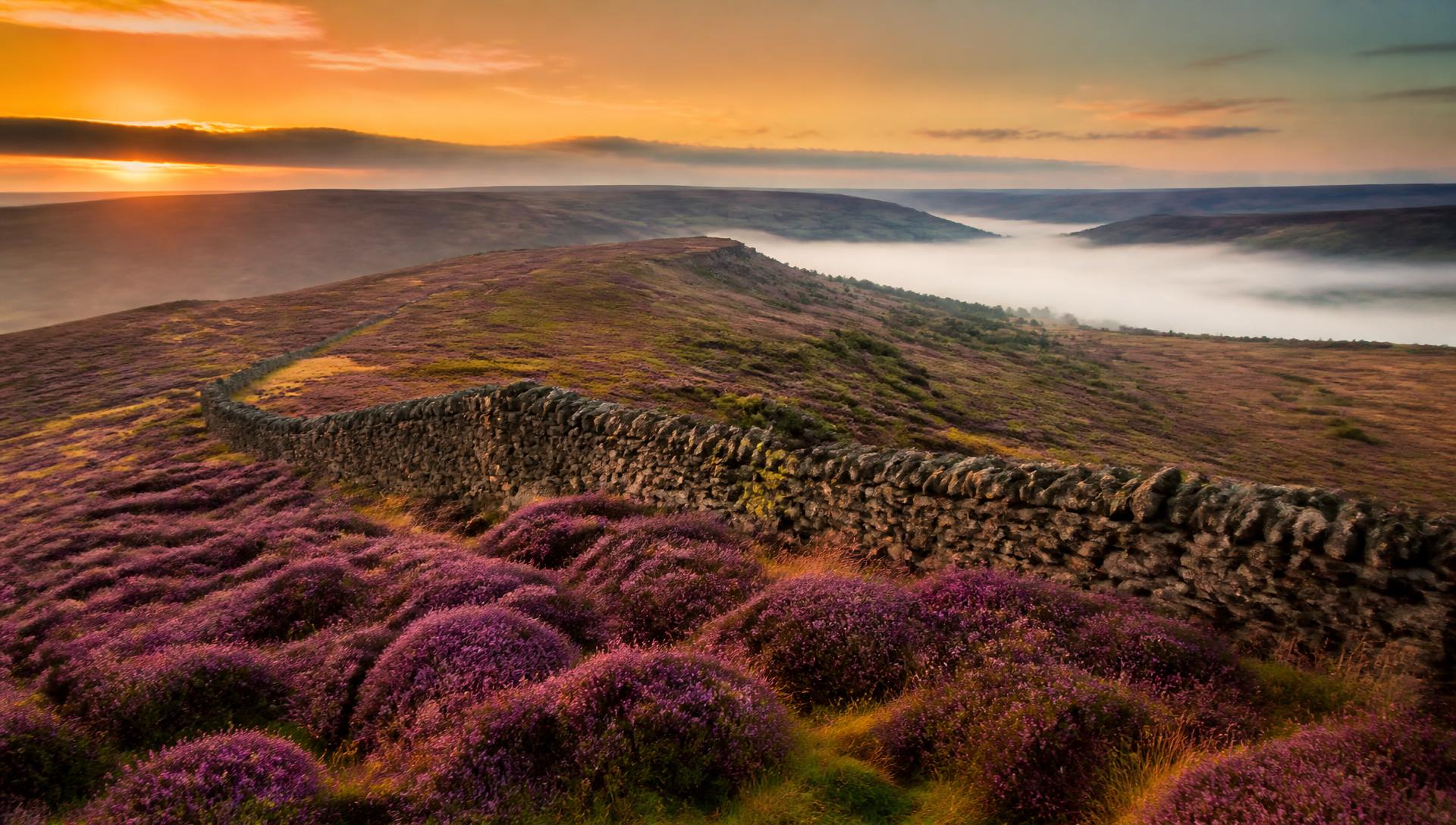
Every season has its moment: spring for lambs and blossom, summer for long days and, in August, the moors turning purple with heather, autumn for forest colour, and winter for crisp walks and some of England's darkest, clearest skies. For a full season-by-season breakdown, see our guide to the best time to visit the North York Moors. For the colour, the deer rut and the returning dark skies, see the North York Moors in autumn.
With dogs
This is wonderful dog country, miles of moor, forest and beach, and plenty of dog-friendly pubs and cottages, but the moors are grazed, so keep dogs on leads around sheep, especially in lambing season. See our full guide to the North York Moors with dogs, our walking with dogs guide for route-specific advice, or jump to quick rules and village-by-village dog notes on dogs in the moors. Travelling as a family? See the North York Moors with kids.
A few ideas
Pair Dalby Forest with the Bridestones; ride the steam railway to Goathland and walk to Mallyan Spout; combine Pickering's castle and church with the Hole of Horcum; or run down to Whitby for the abbey and fish and chips, our food and drink guide covers the pubs, tea rooms and farm shops worth planning around. Then find a base: see where to stay.
Ready-made itineraries
For a relaxed two-day route that ties together a market-town base, the steam railway, a classic moorland walk, Dalby Forest and the coast, follow our weekend in the North York Moors. For a broader range of trip ideas, see the full itineraries page.