Things to Do
Dark skies and stargazing in the North York Moors
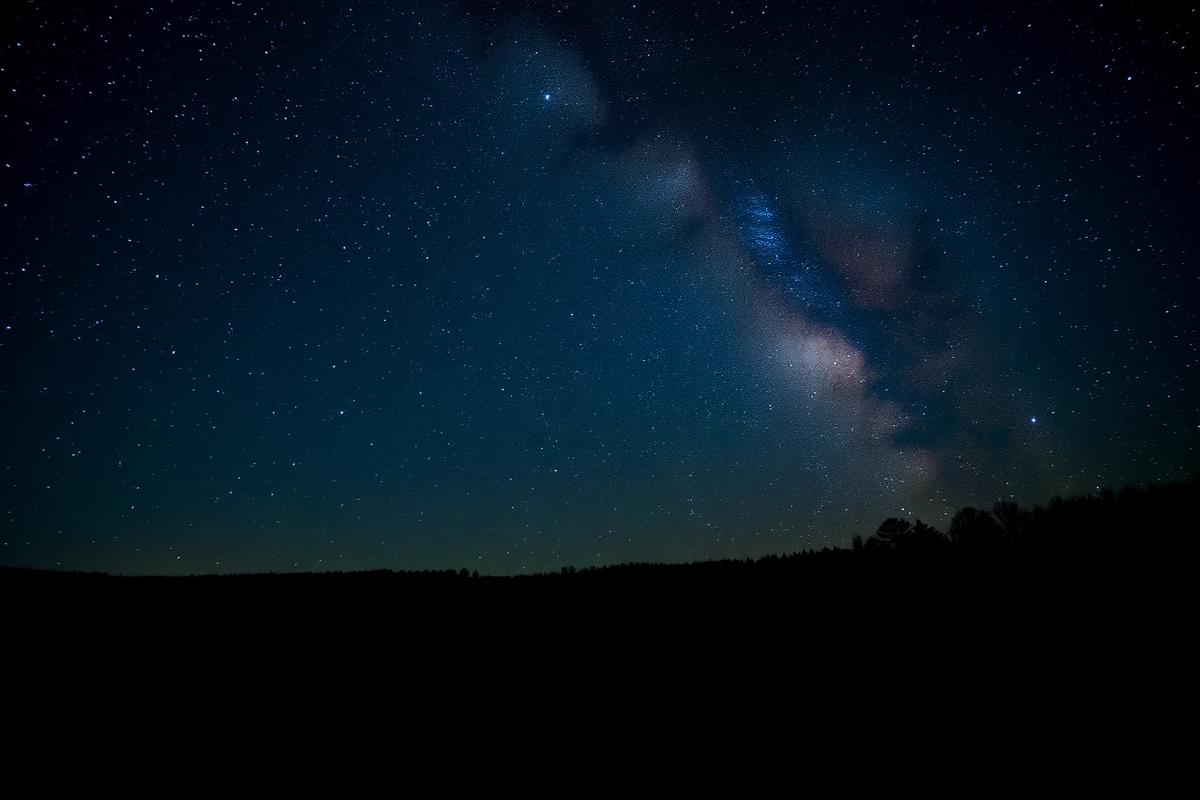
The North York Moors holds some of the darkest night skies in England. In the darkest parts of the National Park you can see up to 2,000 stars at once; from a town or city you would be fortunate to pick out a handful. This guide covers the Dark Sky Reserve designation, where to go, the festivals that fill the winter calendar, and the practical side of a night out on the moors.
An International Dark Sky Reserve
In December 2020 the North York Moors National Park was designated an International Dark Sky Reserve by DarkSky, formerly the International Dark-Sky Association. The Yorkshire Dales National Park received the same designation at the same time, and together the two parks cover 3,615 square kilometres, forming the largest area of protected night sky in the United Kingdom. The organisers of the Dark Skies Festival describe the Park as one of only 27 locations in the world recognised for pristine dark skies. Other published counts of the global total differ, so treat 27 as the festival's own figure rather than a settled number.
The designation, explained on the North York Moors National Park Authority's stargazing pages, recognises both the quality of the night sky and the work done to protect it, including a network of dark skies friendly accommodation providers and businesses that help keep light pollution down.
Where to go
For the very darkest skies, head for the core zone in the heart of the Park, well away from the towns on its edges. That said, a clear, moonless night matters more than the exact spot: a decent dark location on the right night beats the perfect location under a bright moon.
There are three Milky Way class Dark Sky Discovery Sites within the North York Moors. Sutton Bank is one of them, with a dedicated Star Hub. It sits outside the darkest core zone and is valued for its accessibility rather than for being the darkest place in the Park, which makes it a good first step. Check the National Park Authority's own pages for the full list of Discovery Sites.
Dalby Forest and Danby Lodge, the Moors National Park Centre, both host stargazing events through the darker months, and Danby Lodge has a Dark Skies Station. Astro Dog run stargazing evenings at both venues from September through the winter, with access to a large telescope and a guided tour of the night sky.
The coast along the North York Moors gives clear views of the northern horizon and, occasionally, of the Northern Lights. For astrophotography, Byland Abbey and Rievaulx Abbey offer striking foregrounds beneath the stars.
The Dark Skies Festival and the Fringe
The Dark Skies Festival is the centrepiece of the stargazing calendar. It runs for 17 days each February and is a collaboration between the North York Moors and Yorkshire Dales National Park Authorities. It began in 2016, and the 12th festival will be held in 2027.
A Dark Skies Fringe Festival runs each October half term; the 2026 Fringe Festival runs from 23 October to 1 November 2026. Festival events across both include stargazing safaris, night walks, nocturnal nature and history walks, starlight and guided night runs, astrophotography workshops, planetarium shows, children's trails, art workshops and mindful sessions. Dates and booking arrangements vary by event, so check the festival's own site and the National Park Authority for the current programme.
The venues
Almost everything organised in the reserve happens at a handful of places. Knowing them is more useful than knowing any one year's programme, because the same venues come round again with the seasons.
Danby Lodge, the Moors National Park Centre. Danby Lodge sits in Esk Dale in the northern moors, and it is the heart of organised stargazing here. It has a dedicated Dark Skies Station and hosts the majority of festival events, run by Astro Dog, including late evening sessions that finish well after midnight. Dress for standing still in a cold field rather than for a walk, and allow for a slow drive out along dale roads afterwards.
Dalby Forest. On the southern edge of the moors above Thornton-le-Dale, Dalby holds Astro Dog stargazing sessions in the courtyard at Low Dalby. The forest drive is long, dark and unlit at night, so give yourself time in each direction and keep your speed down for wildlife. For the village end of this, including what stargazing looks like from Thornton-le-Dale itself, see thorntonledale.org.
Sutton Bank. The western escarpment above the A170, and a Milky Way class Dark Sky Discovery Site with a Star Hub. It is not in the darkest core zone, and its value is how easy it is to reach, with an open western and southern horizon straight off the car park.
Ampleforth Abbey. South west of Helmsley in the gentler Hambleton country at the edge of the Park, the abbey hosts stargazing evenings with the astronomer Neill Sanders, founder of the Go Stargazing project. Telescopes are provided, and visitors are advised to bring binoculars if they have a pair.
Whitby. The harbour, the piers and the abbey headland make the town a natural subject after dark, and it is used for night photography workshops led by the landscape photographer Richard Burdon. A tripod is the one thing worth carrying, and the pier can be windier and colder than the streets suggest.
The North Yorkshire Moors Railway. The heritage line between Pickering and Whitby runs after-dark Halloween trains during the Fringe Festival, departing from Pickering station. These are theatrical evenings rather than astronomy, and they suit families who want the dark season without a night on an exposed moor.
Map of the dark skies venues
Choose a venue to centre the map on it. Distances across the moors are longer than they look, so allow generously for the drive in the dark.
Danby Lodge
The Moors National Park Centre in Esk Dale, home to the Dark Skies Station and the venue for most festival stargazing evenings.
Dalby Forest
Astro Dog stargazing sessions run from the courtyard at Low Dalby, on the southern edge of the moors above Thornton-le-Dale.
Sutton Bank
Milky Way class Dark Sky Discovery Site with a Star Hub, on the western escarpment beside the A170.
Ampleforth Abbey
Stargazing evenings with astronomer Neill Sanders in the Hambleton countryside south west of Helmsley.
Whitby
Harbour, piers and abbey headland, used for night photography workshops with Richard Burdon.
NYMR, Pickering station
Southern terminus of the North Yorkshire Moors Railway, where the after-dark Halloween trains depart during the Fringe Festival.
The 2026 Fringe Festival programme
The list below is a snapshot of the 2026 Dark Skies Fringe Festival programme, correct at the time of writing and taken from the Dark Skies Festival programme published by National Parks UK. Times and events change, and some require booking, so check the official North York Moors events listing before you travel.
- 23 October, 7pm to 9pm: stargazing at the Danby Lodge Dark Skies Station, Astro Dog.
- 23 October, 10.15pm to 12.15am: late night stargazing, Danby Lodge, Astro Dog.
- 24 October, 4.30pm to 7.45pm: UV fungi walk at Danby Lodge, exploring biofluorescence, led by Lucy of Wild Roots Foraging.
- 24 October, 6.45pm to 9.45pm: Whitby night photography workshop with Richard Burdon.
- 25 October, 6.15pm and 8pm: Mad Alice's Ghost Train on the North Yorkshire Moors Railway.
- 26, 27, 29, 30 and 31 October, 7pm to 9.30pm: stargazing at Danby Lodge, Astro Dog.
- 30 October, 7pm to 9pm: stargazing at Ampleforth Abbey with Neill Sanders.
- 30 and 31 October, 10.15pm to 12.15am: late night stargazing at Danby Lodge.
- 1 November, 6.15pm and 8pm: Mad Alice's Ghost Train.
Dark skies friendly places to stay
The National Park Authority promotes dark skies friendly accommodation providers, businesses that take care with their outdoor lighting so the sky above stays dark. Staying with one lets you experience the reserve for longer, with no late drive home and the chance to step outside again if the cloud clears at two in the morning. Our where to stay guide covers the wider choice of bases across the moors.
When to go
The stargazing season runs through the darker months, with autumn and winter the peak: the nights are long, the air often crisper, and the sky properly dark from early evening. Whatever the month, pick a clear night around the new moon, check the moon phase and the forecast before you set out, and be ready to change your plans at short notice.
What to take and how to prepare
Dress far warmer than feels necessary; standing still under a winter sky is colder than any walk. Bring a red-light torch, since red light preserves your night vision, a flask of something hot, and a pair of binoculars, which are more useful to a beginner than a telescope. Give your eyes around twenty minutes to dark adapt when you arrive, and avoid looking at your phone screen once they have.
Driving and parking at night
Moorland roads are unlit, narrow in places, and shared with sheep after dark. Take your time, park fully off the road in a proper lay-by or car park, and carry a torch for the walk back to the car. None of this is dangerous if you allow for it; it simply asks a little more care than a daytime trip.
Being considerate under the stars
On organised evenings and at popular spots you will rarely be alone. Keep white torches off near other people, never sweep headlights across a group, and keep noise down. Dark skies are a shared resource, and the National Park Authority's guidance on dark skies friendly behaviour is worth a read before your first trip.
Frequently asked questions
- Is the North York Moors a Dark Sky Reserve?
- Yes. The North York Moors National Park was designated an International Dark Sky Reserve by DarkSky (formerly the International Dark-Sky Association) in December 2020, at the same time as the Yorkshire Dales. Together the two parks protect 3,615 square kilometres of night sky, the largest such area in the UK. The Dark Skies Festival organisers describe the Park as one of only 27 locations in the world recognised for pristine dark skies, although other published counts differ.
- Where is the best stargazing in the North York Moors?
- For the darkest skies, head for the core zone in the heart of the Park. There are three Milky Way class Dark Sky Discovery Sites in the North York Moors; Sutton Bank is one of them, with a dedicated Star Hub, and is valued for its accessibility. Check the National Park Authority's pages for the full list. Danby Lodge, Dalby Forest, Ampleforth Abbey and Whitby all appear in the festival programme as venues.
- When is the Dark Skies Festival?
- The Dark Skies Festival runs for 17 days each February, jointly organised by the North York Moors and Yorkshire Dales National Park Authorities. It began in 2016, and the 12th festival takes place in 2027. A Dark Skies Fringe Festival runs each October half term; the 2026 Fringe runs from 23 October to 1 November 2026.
- Do you need a telescope for stargazing in the North York Moors?
- No. On a clear, moonless night in the darkest parts of the Park you can see up to 2,000 stars with the naked eye, and the Milky Way is plainly visible. A pair of binoculars is far more useful to a beginner than a telescope.
- What should you take stargazing?
- Far warmer clothing than feels necessary, a red-light torch to preserve your night vision, a flask of something hot, and binoculars. Check the moon phase and the weather forecast before you set out, and allow about twenty minutes for your eyes to dark adapt.