Seasonal guide
The North York Moors in Autumn
By Jon Cosson · Updated 17 October 2026
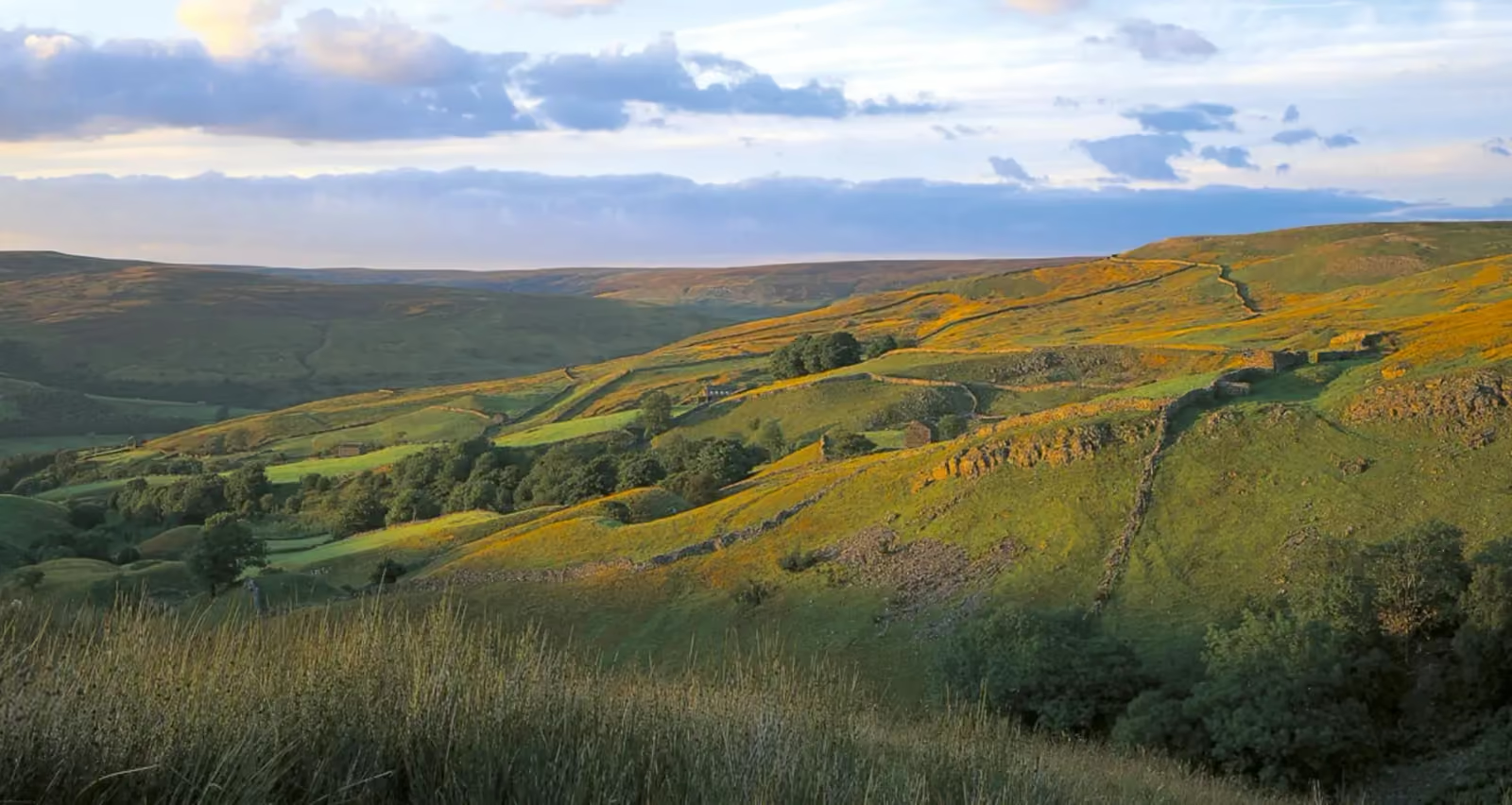
Autumn changes the moorland and woodland. As summer's heather fades, the bracken sets the moor ablaze in golds, russets and deep reds, the woodlands turn, the crowds thin, and the long, dark evenings bring the stars back. Here's what changes through the season, where to see the colour, and how to make the most of it.
When to come, and what changes
The National Park Authority describes the main heather display as mid-to-late August into September. Weather changes the timing; no separate fixed peak date is published. Autumn runs from September to November. The National Park Authority names October as the month for woodland colour; weather affects when individual trees turn. The air sharpens, the light turns low and warm, and mornings often start misty in the valleys. When the colour gives way to winter, our guide to the moors at Christmas picks up the story, from the Santa Express to what to book and when.

Where to see woodland colour
Dalby Forest is the obvious first stop, its evergreens set off the flaming golds, oranges and browns of the deciduous trees, with miles of trails and a café for a warming drink afterwards. Sutton Bank, with what James Herriot called “the finest view in England,” is spectacular as the vale below turns golden. For something different, ride the steam railway through Newtondale, the great wooded gorge, or explore the dales. Farndale and Rosedale, as their valley sides colour up. Falling Foss, a pretty waterfall with an 18th-century tea garden nearby, is lovely under autumn leaves. Just beyond the park, the Yorkshire Arboretum puts on an autumn woodland display.
Two walks that show the season off well are the Hole of Horcum, where the bracken-clad bowl glows copper, and the Bridestones, with their moorland and woodland mix.
Deer and woodland wildlife
The National Park Authority's October nature calendar describes red and fallow deer rutting. Watch quietly from a distance; sightings are not guaranteed.
The dark skies return
Danby Lodge gives its dark skies season as late August to March. Autumn and winter bring longer dark evenings, but stargazing is possible in other months on clear, moonless nights. The Dark Skies Festival is held in February. Autumn is when the Moors' status as an International Dark Sky Reserve really comes into its own, the nights draw in early, and the skies here are among the darkest in the country. Dalby Observatory, Sutton Bank and Danby are all Milky Way-class Dark Sky Discovery Sites, and on a clear autumn evening the Milky Way itself streams overhead. The National Park's Dark Skies Fringe Festival runs in the autumn with stargazing events and walks, check current dates on the National Park website. Wrap up warm, let your eyes adjust for twenty minutes, and look up.
Autumn wildlife
The National Park Authority's October nature calendar describes red and fallow deer rutting. Watch quietly from a distance; sightings are not guaranteed. Woodland fungi appear through autumn; observe them without disturbing the habitat.
The cosy, harvest season
Autumn is harvest time, and the Moors do it well: farm shops piled with produce, game and root vegetables on pub menus, apple crumble, and a Yorkshire ale by a fire in a village inn. Ampleforth Abbey, with some of the largest traditional orchards in the North, presses its celebrated cider in autumn. Outside October half-term the Moors are noticeably quieter than in summer, one of the season's quiet pleasures.
Planning an autumn visit
Take layers and proper footwear, it's exposed up top and the woodland paths get muddy, and make the most of the shorter days by starting early. Reassuringly, the North York Moors enjoys one of the driest climates of any British upland. See plan your visit for the practicalities, and where to stay for a base. Opening times and festival dates vary from year to year, check the National Park or venue website before you set off.
Seasonal sources checked October 2026: National Park Authority August nature calendar; National Park Authority autumn guide; National Park Authority October nature calendar; National Park Authority Dark Skies Station; National Park Authority wildlife watching; National Park Authority Bempton Cliffs guide; Government heather and grass burning guidance.
Stay for the colour season
Autumn is quieter than summer outside half-term, a good time to take a few days and build a trip around the woodland colour and the dark skies.
Browse places to stay