Attractions
Yorkshire Moors attractions: what's genuinely worth your day
The Yorkshire Moors, properly the North York Moors. Pack an unusual range of attractions into a small national park: a mainline-length steam railway, two of England's great abbey ruins, an ancient forest with its own toll road, a Jurassic coast full of fossils, and skies dark enough to see the Milky Way. This is our curated list, written from repeated visits, with links to the full guide for each one.
The attractions, one by one
1.The North Yorkshire Moors Railway
The single attraction most visitors build a day around. Steam hauls you out of Pickering through the wooded gorge of Newtondale, over the moor to Goathland and Grosmont, and on down the Esk Valley to Whitby. Book ahead in summer and on gala weekends, and treat it as a half day rather than a quick ride.
2.Whitby Abbey
The gaunt clifftop ruin that gave Bram Stoker his Dracula setting, reached either by the 199 steps from the harbour or by the car park behind it. Pair it with the harbour, the jet shops and the rest of Whitby for a full day on the coast.
3.Rievaulx Abbey
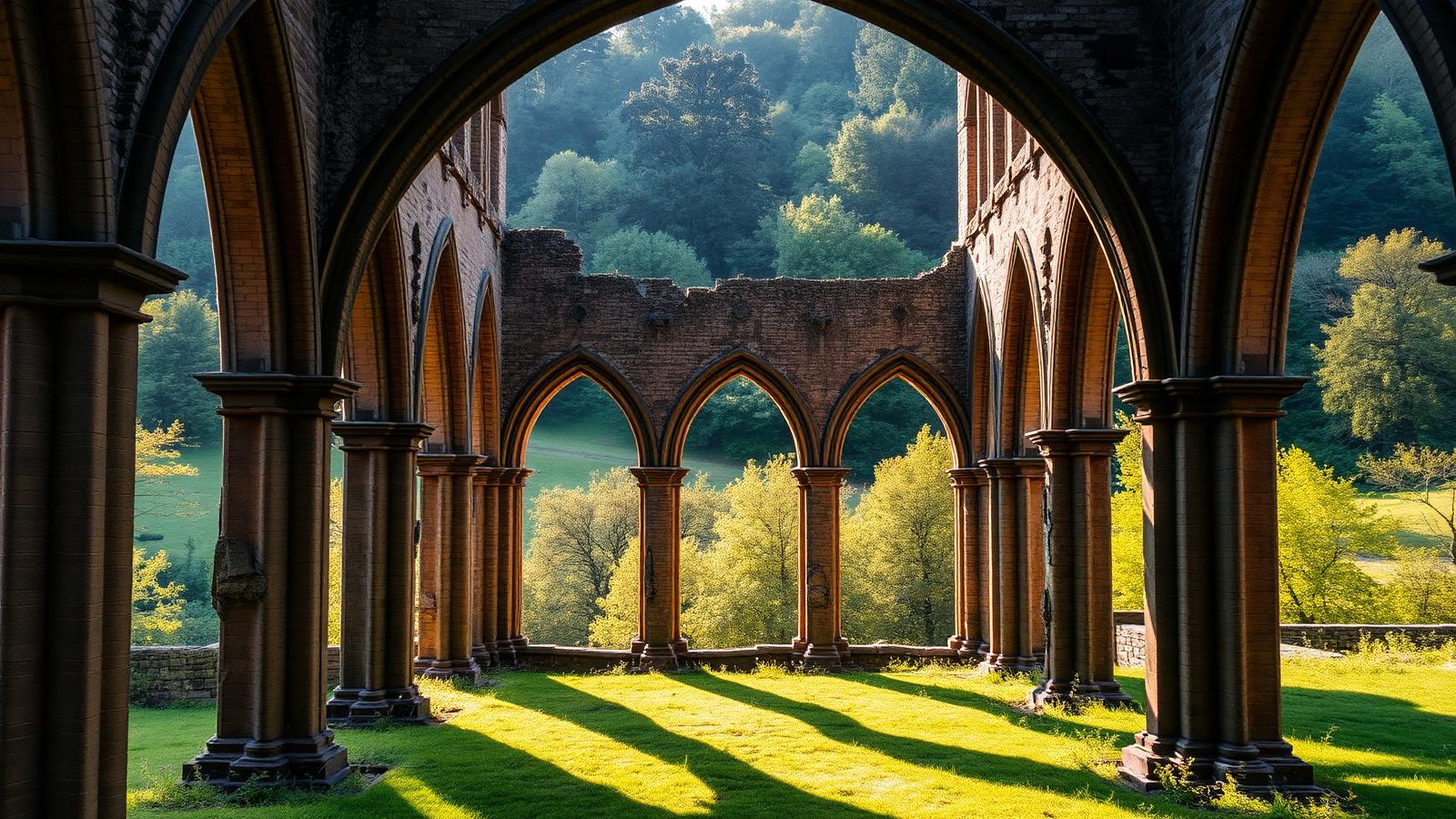
Founded in 1132 in a wooded valley near Helmsley, Rievaulx is the more serene of the two great abbeys: soaring arches, a quiet valley and a museum that makes sense of what you are looking at. The best of the western moors.
4.Dalby Forest
Eight thousand acres of woodland with a scenic Forest Drive toll road running through it, waymarked walks for every ability, world-class mountain-bike trails, Go Apeand a visitor centre. It is also one of the best and easiest places in the park for dark-sky stargazing.
5.Sutton Bank and the Kilburn White Horse
The escarpment James Herriot called “the finest view in England”, with a national park centre at the top, the huge hillside White Horse below and gliders working the ridge lift overhead. The Lake Gormire circuit is the walk to do from here.
6.The Hole of Horcum
A vast natural amphitheatre scooped out of the moor beside the A169, and one of the most photographed landscapes in the park. The circular walk from the Saltergate car park is the classic introduction to moorland walking here.
7.Roseberry Topping
The half-collapsed cone at the northern edge of the park, short, steep and out of all proportion to its height, with a view over Teesside, the Cleveland Hills and the sea.
8.Mathewsons of Thornton-le-Dale
The classic-car auction house behind Bangers & Cash, in one of the prettiest villages in the park. Combine it with a wander round Thornton-le-Dale and the thatched cottage by the beck.
9.Ryedale Folk Museum
An open-air museum of rescued moorland buildings at Hutton-le-Hole, from a cruck-framed longhouse to a village shop. The most rewarding indoor-ish attraction in the park and a proper half day.
10.Goathland
Aidensfield in Heartbeat, Hogsmeade in Harry Potter, and a real moorland village with sheep on the greens, a steam station at the bottom of the hill and Mallyan Spout in the woods below.
11.Robin Hood's Bay
A smugglers' village of red pantile roofs tipping down a ravine to a rocky shore. Park at the top, walk down, and look for fossils on the scars at low tide before facing the climb back.
12.The waterfalls
Mallyan Spout near Goathland and Falling Foss in the woods above Whitby are the two to aim for, both best after rain and both reached on short, often slippery walks.
13.The Dark Sky Reserve
The moors hold International Dark Sky Reserve status, and on a clear moonless night from Dalby, Sutton Bank or the high moor roads the Milky Way is plainly visible. Go between autumn and early spring, and take more layers than you think you need.
14.The fossil coast
Ammonites, belemnites and Whitby jet wash out of the Jurassic cliffs between Staithes, Whitby and Robin Hood's Bay. Hunt the loose material on the beach on a falling tide, and never dig at the cliff face.
15.Pickering: castle, museum and market
The southern gateway town: a Norman motte-and-bailey castle, the Beck Isle Museum of rural life, rare medieval wall paintings in the parish church and the steam railway terminus, all within a few minutes' walk.
How to string them together
Two or three attractions a day is the honest maximum. A common and very good first visit runs: railway and Pickering on day one, Whitby and the abbey on day two, and Dalby Forest or a moorland walk on day three. Our weekend itinerary sets that out in detail, and Plan My Day will filter attractions and pubs by what you actually need, dog friendly, step free, parking, food.
If you are choosing a base, the best base villages comparison weighs up Pickering, Helmsley, Whitby and the smaller moorland villages against how far you want to drive each morning.
Attractions by interest
- With children: the moors with kids, steam trains, forest adventure and beaches.
- With a dog: dog-friendly days out and walking with dogs.
- On foot: walks across the moors and coast.
- Villages: villages and places to visit, from Thornton-le-Dale to Staithes.
- Eating and drinking: food and drink and where to drink well.
- Film and TV: film and TV locations.
Yorkshire Moors attractions: frequently asked questions
What are the main attractions in the Yorkshire Moors?
The best-known attractions are the North Yorkshire Moors Railway, Whitby Abbey, Rievaulx Abbey, Dalby Forest, Sutton Bank and the Kilburn White Horse, the Hole of Horcum, Roseberry Topping, the Ryedale Folk Museum at Hutton-le-Hole and the coastal villages of Robin Hood's Bay and Staithes.
What is the Yorkshire Moors best known for?
Heather moorland that flowers purple in late summer, a Jurassic coastline of fossils and fishing villages, steam trains, ruined medieval abbeys and film and TV locations including Heartbeat's Aidensfield and the Hogsmeade station scenes from Harry Potter.
Are there free attractions in the North York Moors?
Plenty. The moorland and coastal walks, the Hole of Horcum, Roseberry Topping, the villages, the beaches and stargazing in the Dark Sky Reserve all cost nothing beyond parking. Paid attractions tend to be the railway, the English Heritage abbeys and castles, and the museums.
What is the best attraction for a rainy day?
The North Yorkshire Moors Railway and the indoor museums are the most reliable wet-weather days out, along with Whitby's shops, aquarium-and-harbour wander and the covered parts of the Ryedale Folk Museum. Forest trails at Dalby also shelter well under the trees.
How many attractions can you see in a day?
Two or three. Roads across the moors are slow and scenic rather than fast, so plan a couple of anchors. Say the railway in the morning and Whitby in the afternoon, rather than trying to tick off a long list.
Which attractions are dog friendly?
Most of the outdoor attractions welcome dogs on leads, including the moorland walks, Dalby Forest and much of the coast, and dogs are carried on the steam railway. Check individual sites for restrictions, and note seasonal dog bans on some beaches.
Where should I stay to be near the attractions?
The southern edge of the park, Pickering, Thornton-le-Dale and Allerston. Puts the railway, Dalby Forest and the coast within easy reach, while Helmsley suits the western abbeys and Whitby suits a coast-first trip.