Pickering
The history and heritage of Pickering
By Jon Cosson · Updated 17 October 2026
Pickering is far older than its steam whistles and tea rooms. A Saxon church, a Norman castle, a vast royal hunting forest and one of England's finest sets of medieval wall paintings all sit within a few minutes' walk of the Market Place. This is the town's long story and the heritage you can still see today.
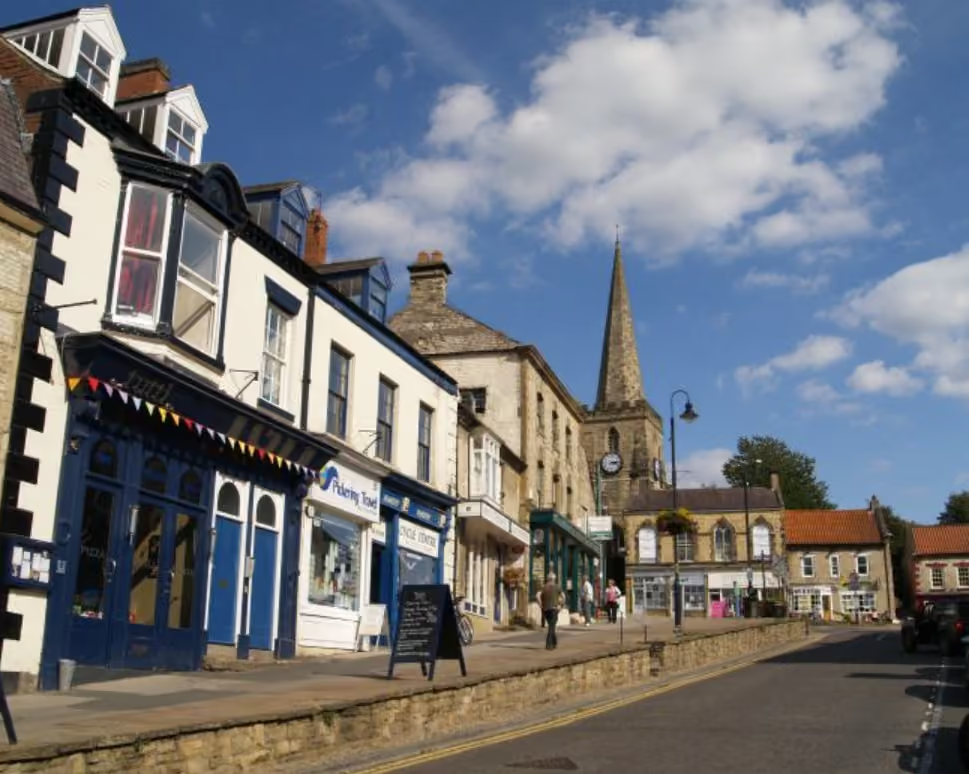
The Market Place and the parish church, the heart of old Pickering.
Pickering heritage at a glance
- Settled
- Since the last Ice Age, beside a glacial lake
- Church
- St Peter & St Paul, Grade I, famous wall paintings, open daily and free
- Museum
- Beck Isle Museum, in a Georgian building. England's first agricultural college
- Town centre
- A Conservation Area of listed buildings
From glacial lake to market town
Pickering sits where the moors meet the Vale of Pickering, and it was first settled at the end of the last Ice Age on the shores of a glacial lake, a spot where early people found wood, stone, game, fish, fresh water and fertile soil all in one place. It remained a settlement through the Anglo-Saxon period, then grew under Norman rule in the shadow of its new castle, at the heart of the royal Forest of Pickering and long tied to the Duchy of Lancaster. Its Monday market has run for centuries, and the sloping Market Place and the streets around it form a Conservation Area of listed buildings today.
A legend, not history: by charming local tradition the town's name is tied to a British king, Peredurus, who is said to have lost a ring later found inside a pike caught in the beck, “pike” and “ring” giving “Pickering”. A good story, but a story all the same.
The parish church and its medieval wall paintings
The church of St Peter and St Paul crowns the town above the Market Place, its spire visible across Ryedale, and it is the oldest building in Pickering. A late-Saxon church stood here first, its stone font and a carved cross shaft survive. Before it was rebuilt in Norman style around 1140, with aisles, a west tower, and later a widened chancel and chantry chapels added over the centuries.
Its fame rests on an exceptionally complete set of late-medieval wall paintings covering the nave walls, commissioned around 1450 and now re-dated to about 1470 on the evidence of the armour in the Becket scene. Painted when most people could not read, they were a “poor man's Bible”, vivid cycles including St George and the dragon, a giant St Christopher wading a fish-filled river, the martyrdoms of St Edmund and Thomas Becket, the life of St Catherine of Alexandria, the Seven Corporal Acts of Mercy, and the Passion, Resurrection and a dramatic Descent into Hell.
Their survival is a story in itself: whitewashed over at the Reformation and forgotten, they were revealed by a fall of plaster in 1852, then controversially whitewashed again by the vicar before being painstakingly restored from 1882 over the following ten years. The church is Grade I listed, open daily and free to visit (donations welcome), and dogs are allowed. Look out too for the monument to Robert and Nicholas King of Pickering, who helped survey Washington DC.
Beck Isle Museum
Across the beck from the Market Place, Beck Isle Museum fills a fine Georgian building, once home to England's very first agricultural college. With more than two dozen galleries: recreated period shops including a barber, chemist, cobbler, blacksmith and printer, displays of household and farming life, and a remarkable collection of early local photography spanning around two centuries. It is hands-on and family-friendly; check current opening on the museum's own website.
The coming of the railway
Pickering's Victorian chapter is written in iron. The Whitby and Pickering Railway, engineered by George Stephenson and opened in 1836, was horse-drawn at first and built to open up trade and travel to the coast. That line is the ancestor of today's North Yorkshire Moors Railway, and you can still ride the route. See our guide to the steam train from Pickering to Whitby.
Heritage you can still see
The castle, the church and its paintings, Beck Isle Museum, the market cross and Smiddy Hill, the 1793 Quaker Meeting House on Castlegate, and the Conservation Area streets themselves all repay a slow wander. For everything in one place see the Pickering town guide, plus things to do, places to eat and shopping in the town. Further afield, see the abbeys and castles of the Moors and the villages and places around the park.
Pickering history FAQs
How old is Pickering?
Pickering was first settled at the end of the last Ice Age, on the shores of a glacial lake where wood, stone, game, fish, fresh water and fertile soil all came together. It was a settlement through the Anglo-Saxon period, the parish church holds a late-Saxon font and carved cross shaft, and grew as a market town under Norman rule in the shadow of its castle.
Why is Pickering church famous and what are the wall paintings?
The church of St Peter and St Paul holds one of the most complete sets of late-medieval wall paintings in England, covering the nave walls. Painted when most people could not read, they served as a 'poor man's Bible'. St George and the dragon, a giant St Christopher wading a fish-filled river, the martyrdoms of St Edmund and Thomas Becket, the life of St Catherine of Alexandria, the Seven Corporal Acts of Mercy, and the Passion, Resurrection and Descent into Hell.
When were the Pickering wall paintings painted and rediscovered?
They were commissioned around 1450 and have been re-dated to about 1470 on the evidence of the armour in the Becket scene. Whitewashed over at the Reformation and forgotten, they were revealed by a fall of plaster in 1852, controversially whitewashed again by the vicar, and then painstakingly restored from 1882 over the following ten years.
What is Beck Isle Museum?
A volunteer-run museum of rural life across the beck from the Market Place, filling a fine Georgian building. Once home to England's very first agricultural college, with more than two dozen galleries: recreated period shops, household and farming life, and a remarkable collection of early local photography spanning around two centuries. Check current opening on the museum's own website.
Where does the name Pickering come from?
The true origin is uncertain. By charming local legend rather than history, the name is tied to a British king, Peredurus, who is said to have lost a ring later found inside a pike caught in the beck. 'pike' and 'ring' giving 'Pickering'. It is a good story rather than fact.
Church dates checked October 2026: Pickering church paintings and church restoration. Church restoration was completed in 1879; wall-painting restoration began in 1882.
Stay in Pickering
A night in the town puts the castle, the church, Beck Isle Museum and the steam railway all within a short walk of each other.
Browse places to stay